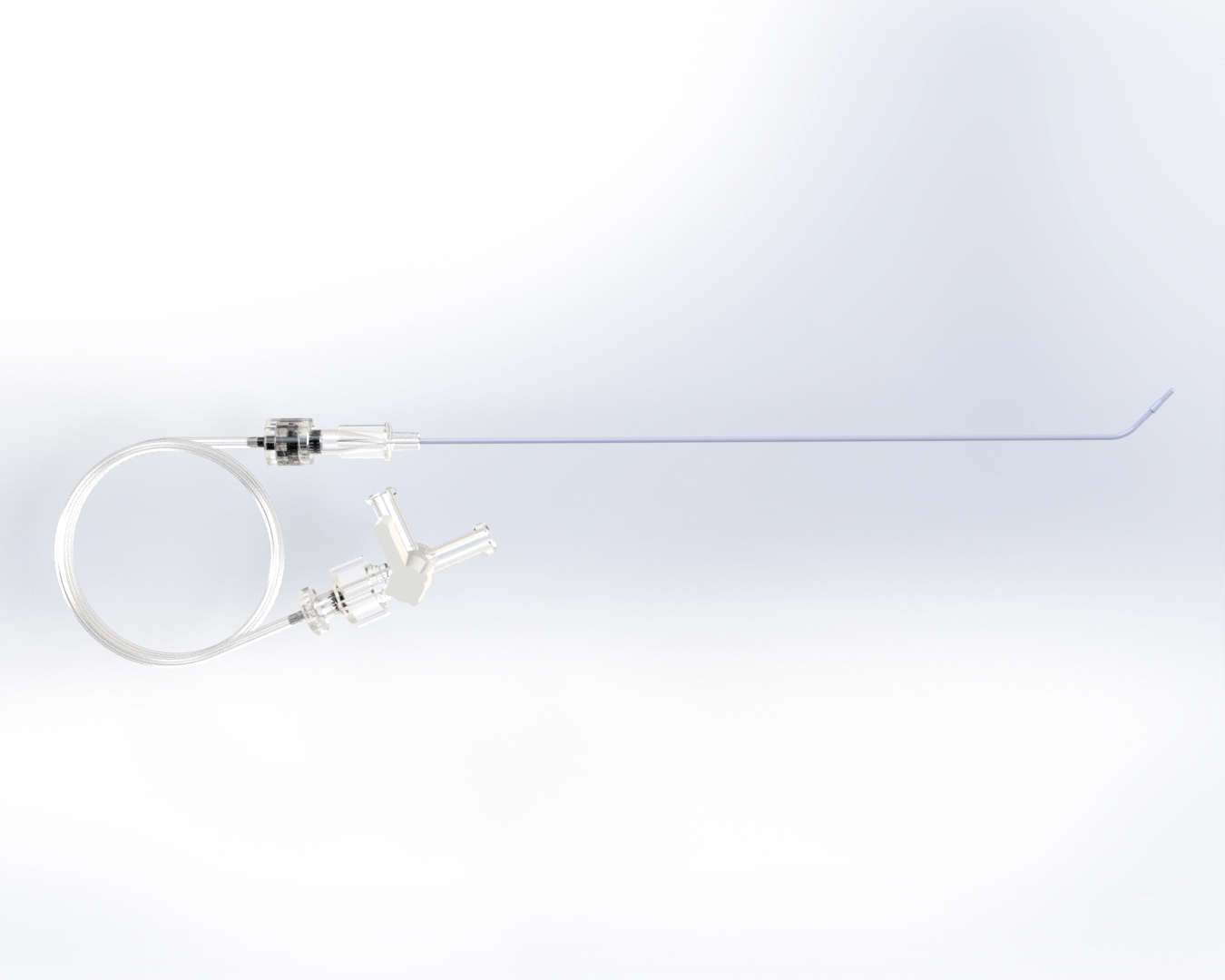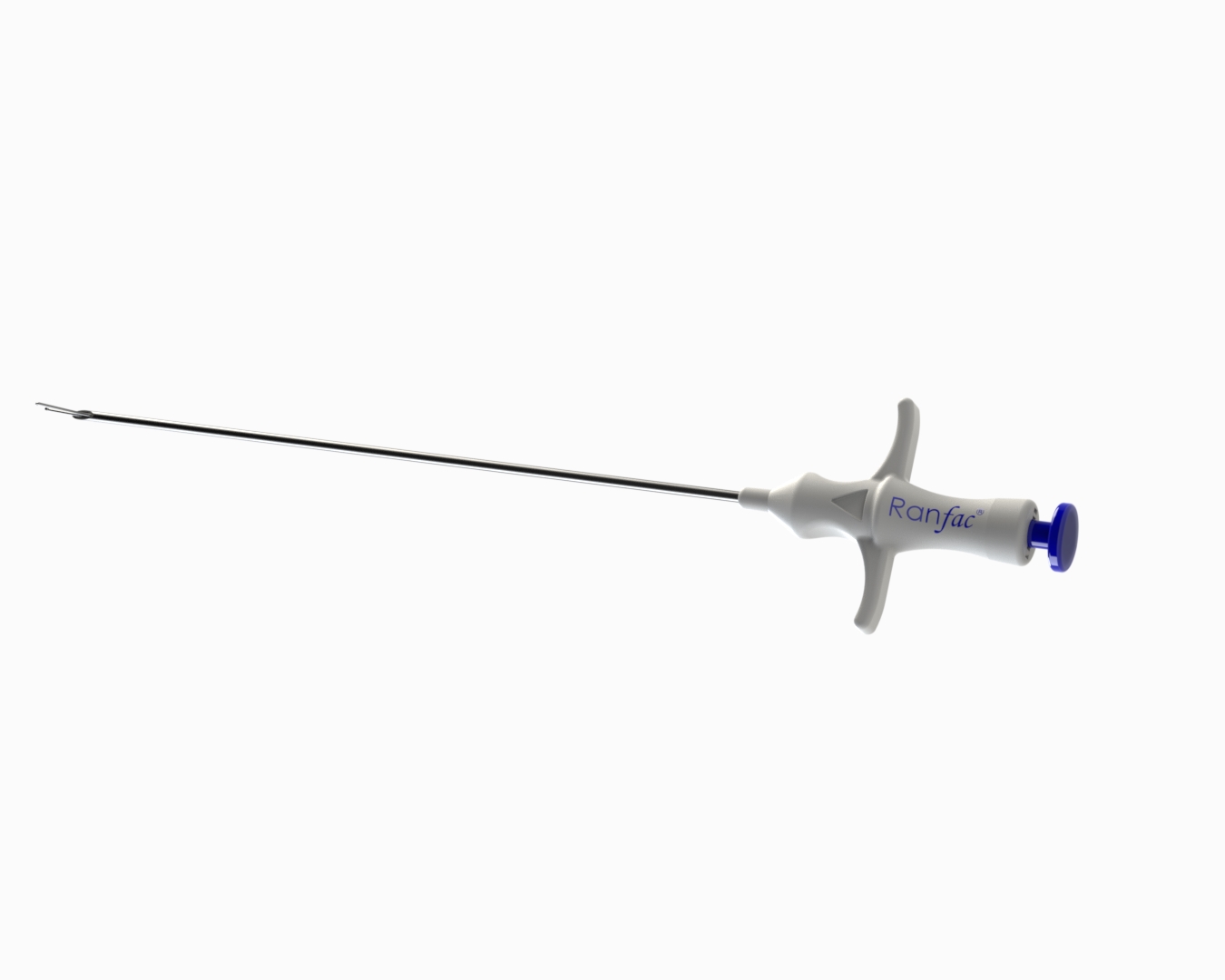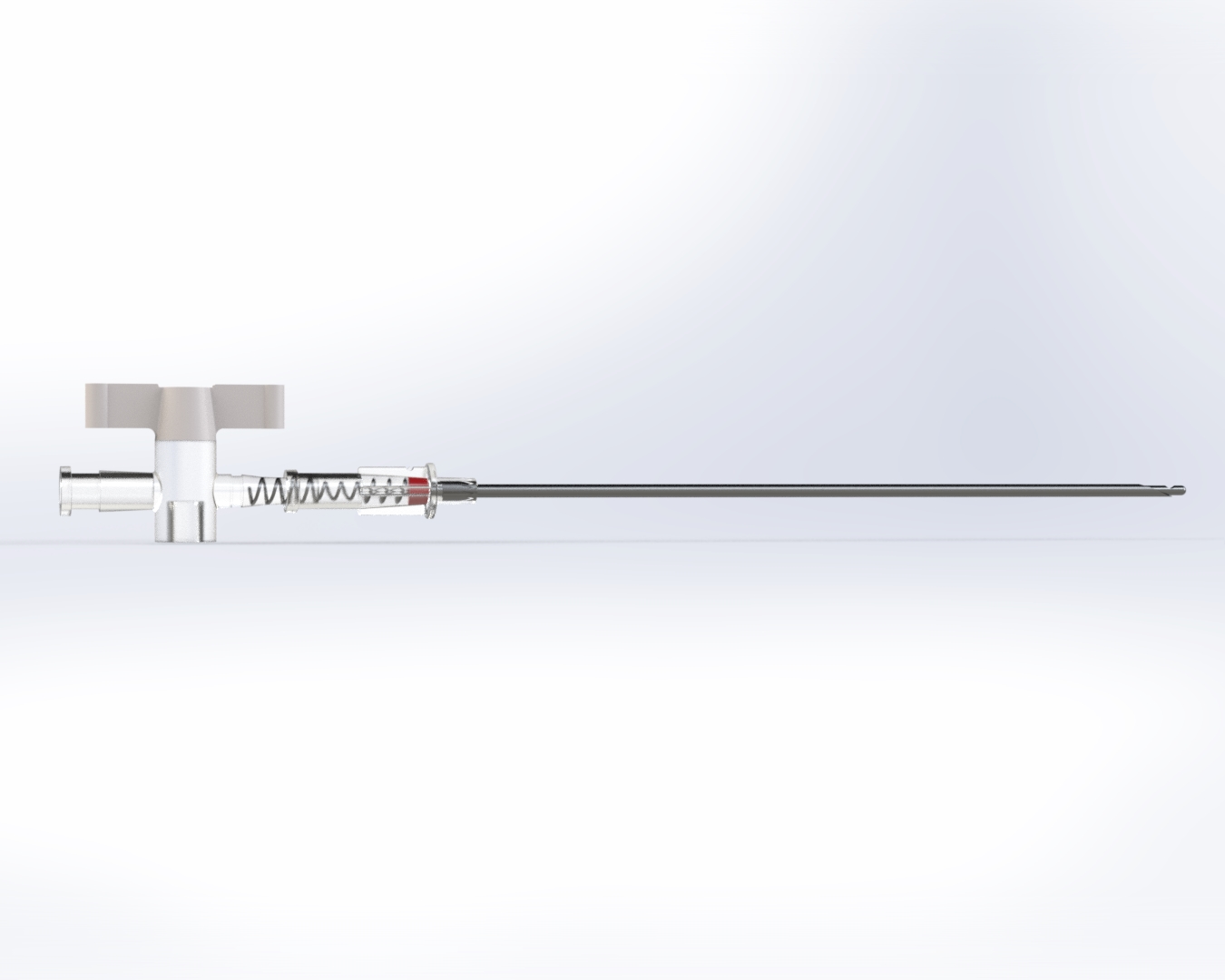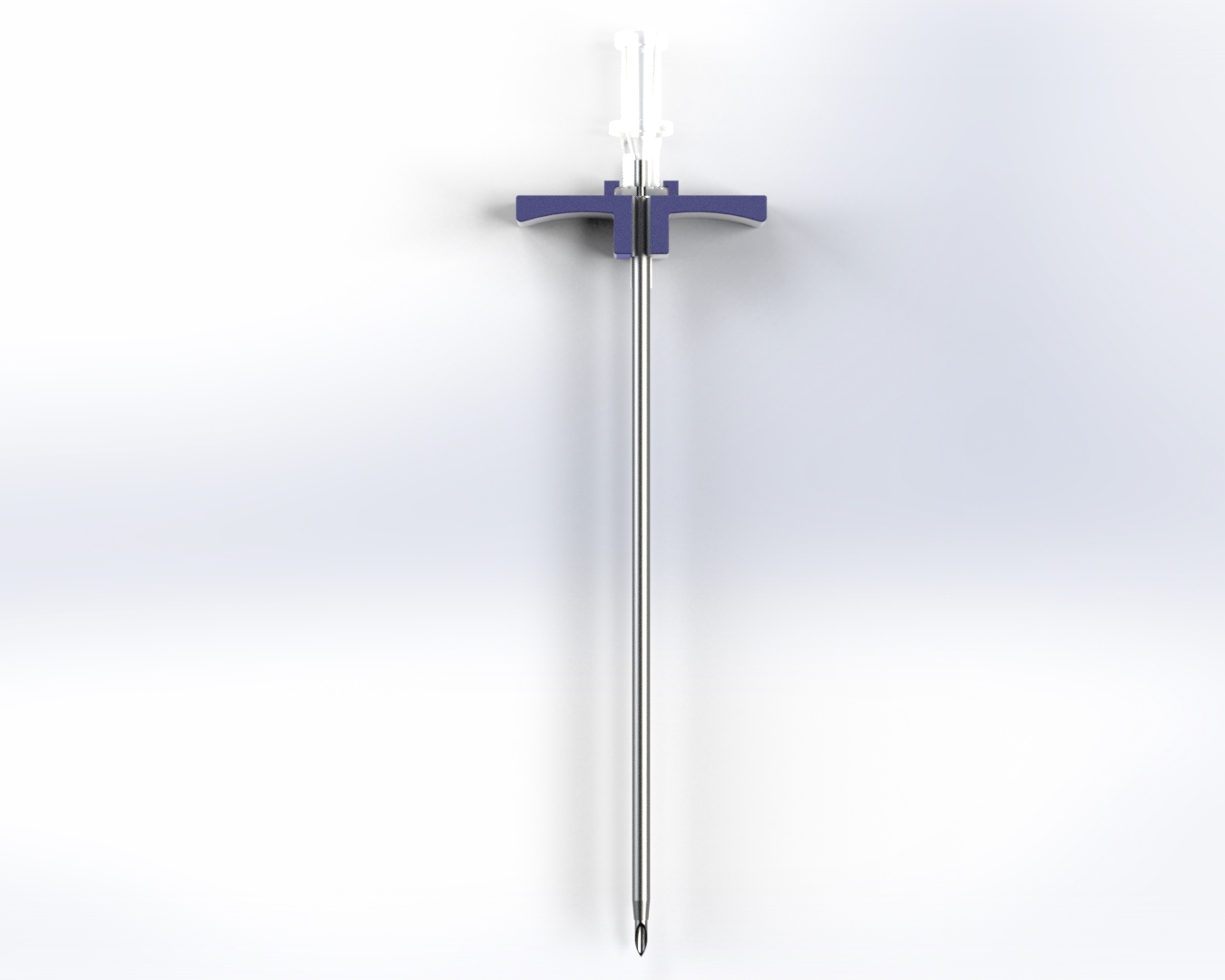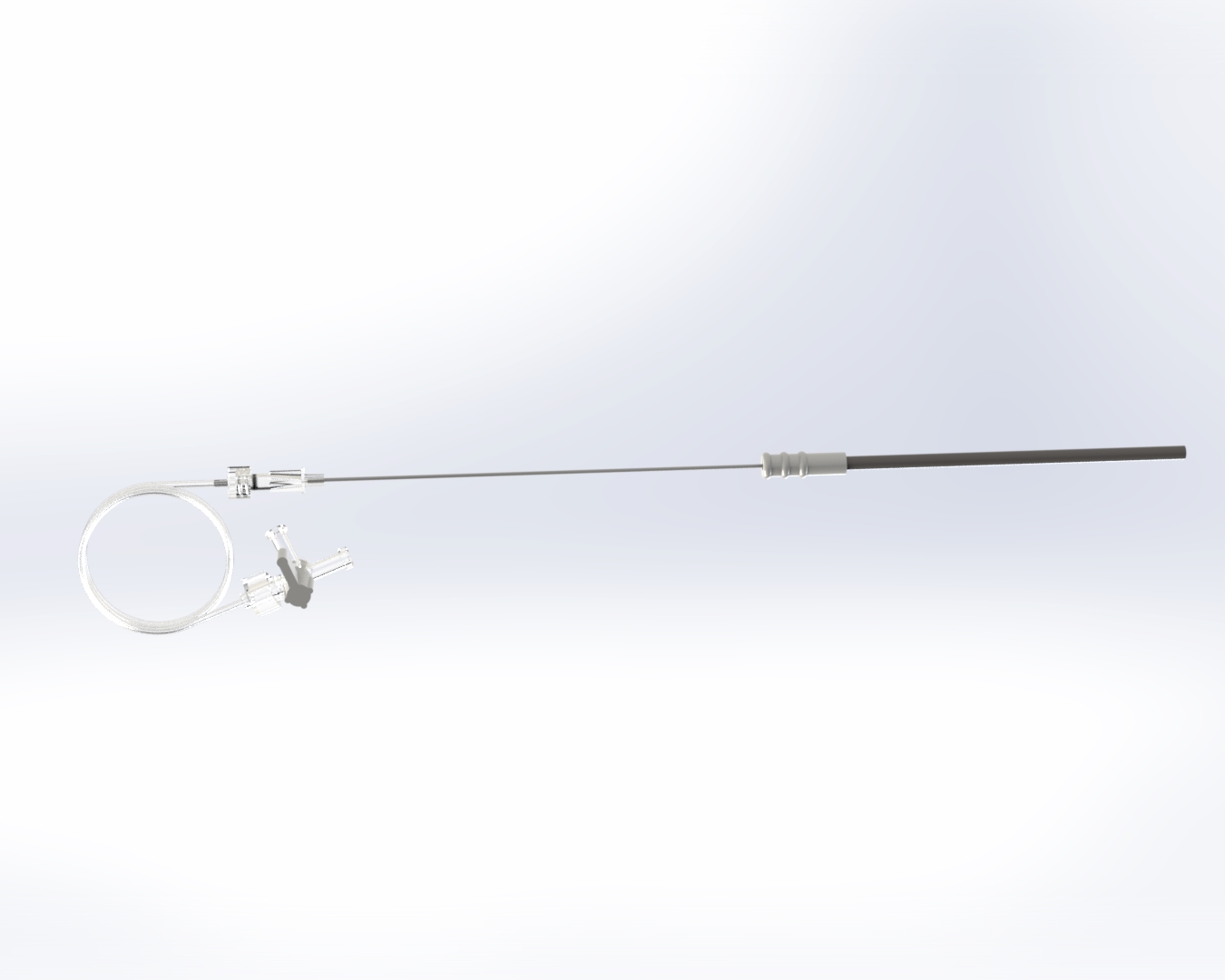
The LAP-13 is a single-use cholangiography catheter for laparoscopic intraoperative bile duct imaging, delivered through a trocar port. Designed to provide controlled contrast delivery during laparoscopic cholecystectomy and related procedures.
Caution: Federal (USA) law restricts this device to sale by or on the order of a physician.
The Ranfac LAP-13 is a single-use cholangiography catheter for laparoscopic intraoperative bile duct imaging. The device is delivered through a standard laparoscopic trocar port and supports controlled contrast injection into the cystic duct for fluoroscopic visualization of biliary anatomy during cholecystectomy or related procedures. Each device ships sterile, ethylene-oxide processed, and individually packaged.
LAP-13 is the trocar-port-access cholangiography catheter in the Ranfac surgical-instrument portfolio. The percutaneous-access XL-11 is the alternate-delivery variant — selected when trocar port real estate is limited or the surgeon's plan calls for abdominal-wall catheter routing.
Refer to the device Instructions for Use (IFU, 68011-01M Rev A) for the full indications, contraindications, warnings, and procedure. The LAP-13 is intended for use in intraoperative cholangiography during laparoscopic biliary procedures.
Surgeons use intraoperative cholangiography catheters during laparoscopic cholecystectomy and biliary surgery to visualize the cystic duct, common bile duct, and intrahepatic biliary anatomy. The port-access LAP-13 is delivered through a trocar; the percutaneous-access XL-11 is delivered through the abdominal wall.
Intraoperative cholangiography during laparoscopic gallbladder removal.
Imaging of cystic, common, and intrahepatic bile ducts during open or laparoscopic procedures.
Fluoroscopic confirmation of biliary anatomy and identification of common bile duct stones or strictures.
Used across general, bariatric, gynecologic, and urologic laparoscopic procedures where the device is part of the surgeon's standard instrument set.
Construction, regulatory, and packaging details. Gauge, length, cannula and stylet are listed in the hero above. For complete indications, contraindications, and warnings, download the Instructions for Use.
| Construction | Stainless steel components · medical-grade polymer hub |
|---|---|
| Connection | Standard luer connections per device IFU |
| Sterilization | Ethylene oxide · single-use · latex-free |
| Packaging | Individually pouched |
| Prescription | Rx only (21 CFR 801 Subpart D) |
The following is a high-level summary. Refer to the IFU (68011-01M Rev A) for complete procedure, contraindications, and warnings.
Intraoperative cholangiography during laparoscopic biliary surgery — contrast delivery into the cystic duct for fluoroscopic visualization of bile duct anatomy.
Both are Ranfac cholangiography catheters. The LAP-13 is delivered through a laparoscopic trocar port. The XL-11 is the percutaneous-access variant, delivered through the abdominal wall rather than through a trocar.
No. The LAP-13 is a single-use device — supplied sterile and disposed of after a single procedure per facility policy.
Ethylene oxide (EO). The device is shipped sterile and is not made with natural rubber latex.
The Instructions for Use (IFU, document 68011-01M Rev A) is available in the Documents & Downloads section below.
Port-access delivery (LAP-13) is generally preferred when a laparoscopic trocar is already in place near the cystic duct, allowing introduction and manipulation under direct visualization. The percutaneous XL-11 is selected when trocar port real estate is limited or when the surgeon's plan calls for catheter routing through the abdominal wall.
Have a clinical question, need samples for evaluation, or ready to purchase? Our product team typically responds within one business day.
Building a different device on the same platform? Ranfac runs custom OEM, CDMO, and CMO programs from concept through commercial. Talk to us about a custom configuration →